Admin
Admin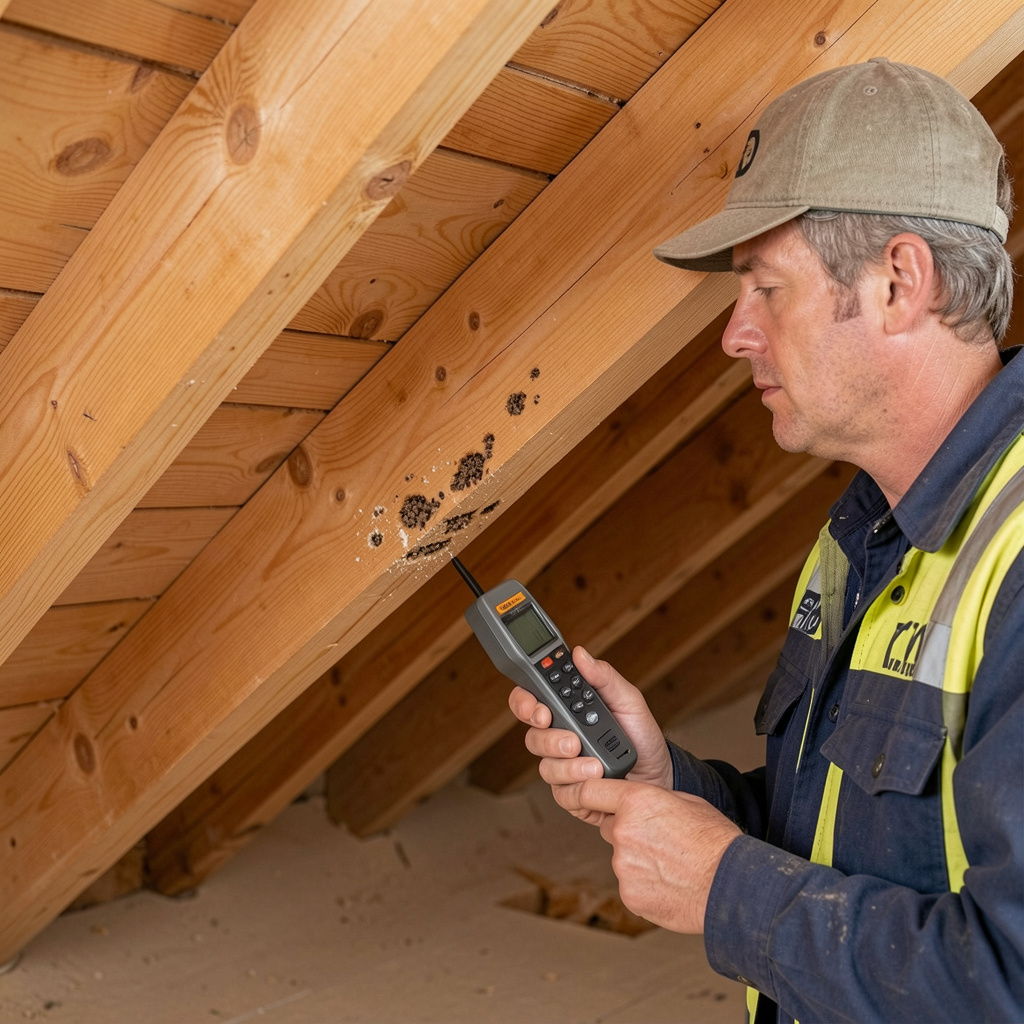
Building a wooden house from the ground up gives you the opportunity to create a home that is not only beautiful and energy-efficient but also designed for long-term durability. Modern timber construction combines sustainable materials, advanced engineering, and smart building techniques to produce homes that can last for generations. One of the most important aspects of this process is reducing the risk of wood-damaging pests through thoughtful design, proper material selection, and ongoing maintenance.
Although no wooden structure is completely immune to pests such as woodworm, termites (in some regions), or carpenter ants, careful planning can significantly lower the likelihood of future infestations. Choosing quality timber, controlling moisture, improving ventilation, and scheduling routine inspections are all essential steps in protecting your investment.Visit Online https://www.shashel.eu for more details .
In this guide, we’ll explain how to build a pest-resistant wooden house from scratch and highlight the best practices for preserving timber throughout the life of your home.
Why Pest Resistance Should Be Part of the Design
The most effective pest control begins before construction starts.
A well-designed home can:
- Reduce moisture buildup
- Improve airflow
- Limit pest entry points
- Protect structural timber
- Lower future maintenance costs
- Extend the lifespan of the building
Preventive design is generally more effective and economical than repairing pest-related damage later.
Choose High-Quality Timber
The quality of your timber has a major influence on the durability of the finished home.
Look for timber that is:
- Structurally graded
- Properly dried
- Suitable for your local climate
- Sourced from reputable suppliers
- Compliant with local building standards
High-quality timber performs better over time and provides a stronger foundation for the entire structure.
Select Naturally Durable or Treated Wood
Many builders use naturally durable wood species or pressure-treated timber for structural components.
Depending on the project and local availability, suitable materials may include:
- Cedar
- Oak
- Douglas fir
- Larch
- Pressure-treated structural timber
The best choice depends on your location, climate, intended use, and local building regulations.
Design for Moisture Control
Moisture is one of the leading causes of timber deterioration.
Good design should include:
- Proper roof overhangs
- Effective flashing
- Damp-proof barriers where required
- Well-designed drainage systems
- Ground clearance for exterior timber
- Sloped landscaping to direct water away from the home
Keeping structural timber dry significantly reduces the risk of fungal decay and creates less favorable conditions for many wood-boring insects.
Provide Excellent Ventilation
Proper airflow helps regulate humidity and prevents condensation.
Ensure adequate ventilation in:
- Roof spaces
- Attics
- Crawl spaces
- Basements
- Utility rooms
Good ventilation supports healthy timber throughout the building.
Build a Strong Foundation
A well-designed foundation helps protect the timber structure from ground moisture.
Consider:
- Proper site drainage
- Moisture barriers where appropriate
- Sufficient clearance between timber and soil
- Foundation ventilation when required
Keeping timber separated from prolonged ground moisture is an important part of long-term preservation.
Seal Potential Entry Points
Small openings can allow pests to enter the structure.
Seal gaps around:
- Windows
- Doors
- Utility pipes
- Roof penetrations
- Exterior wall joints
Reducing entry points also improves energy efficiency.
Protect Exterior Timber
Exterior wood is continuously exposed to rain, sunlight, wind, and seasonal weather changes.
Maintain exterior finishes according to the manufacturer’s recommendations to help:
- Reduce moisture absorption
- Minimize UV damage
- Prevent surface cracking
- Improve long-term durability
Routine maintenance keeps exterior timber in excellent condition.
Plan for Routine Inspections
Even newly built homes benefit from regular inspections.
At least once a year, check:
- Roof beams
- Floor joists
- Exterior cladding
- Decking
- Window frames
- Door frames
Watch for:
- Water stains
- Soft timber
- Cracks
- Fine wood dust (frass)
- Small exit holes
Early detection helps prevent costly repairs.
Use Integrated Pest Management (IPM)
Many professionals recommend Integrated Pest Management (IPM) as the foundation of long-term pest prevention.
IPM includes:
- Routine inspections
- Moisture management
- Accurate pest identification
- Building maintenance
- Physical exclusion
- Targeted treatment only when necessary
This balanced approach minimizes unnecessary pesticide use while maintaining effective protection.
Modern Woodworm Treatment Options
If woodworm is identified during the life of the home, treatment should be selected according to:
- Beetle species
- Severity of infestation
- Structural condition
- Accessibility
Professional options include approved chemical treatments and modern heat-based technologies.
Microwave Woodworm Treatment
One increasingly popular chemical-free solution is microwave woodworm treatment.
Professional microwave equipment generates controlled heat inside timber through dielectric heating, raising the internal temperature to levels that eliminate:
- Woodworm larvae
- Beetle eggs
- Pupae
- Adult wood-boring beetles
Benefits
- Chemical-free
- No pesticide residues
- Targeted treatment
- Environmentally responsible
- Suitable for many timber-frame homes
- Helps preserve original structural timber
A timber preservation specialist can determine whether this treatment is appropriate if a localized infestation develops.
Pest-Resistant Construction Checklist
Before and during construction:
- Choose quality timber.
- Use suitable naturally durable or treated wood where appropriate.
- Design effective roof drainage.
- Improve ventilation.
- Control moisture.
- Build proper foundations.
- Seal entry points.
- Plan regular inspections.
- Maintain exterior finishes.
These steps help create a durable and resilient timber home.
Common Myths About Pest-Resistant Construction
Myth 1: New Wooden Homes Can’t Get Woodworm
Fact: While the risk is generally lower, wood-boring insects can still infest newer homes if environmental conditions become favorable.
Myth 2: Pressure-Treated Timber Eliminates All Maintenance
Fact: Pressure-treated timber improves durability, but inspections, moisture control, and regular maintenance remain essential.
Myth 3: Pest Resistance Depends Only on Wood Type
Fact: Building design, ventilation, drainage, and long-term maintenance play equally important roles in protecting timber.
Preventive Construction vs. Future Repairs
| Preventive Construction | Delayed Repairs |
|---|---|
| Better moisture control | Increased risk of dampness |
| Lower pest risk | Greater chance of infestation |
| Longer timber lifespan | Higher maintenance costs |
| Better structural performance | Potential structural deterioration |
| Improved property value | Repairs may affect resale value |
Investing in prevention during construction often reduces maintenance costs over the life of the building.
When Should You Contact a Professional?
Professional advice is recommended if:
- You’re selecting timber for a new build.
- You need guidance on moisture management.
- You want recommendations for local building conditions.
- You suspect woodworm activity.
- Moisture problems develop after construction.
- You’re considering microwave woodworm treatment for a localized infestation.
A qualified architect, builder, structural engineer, or timber preservation specialist can help ensure your wooden home is designed and maintained for long-term durability.
Conclusion
Building a pest-resistant wooden house begins with smart planning and continues through regular maintenance. Choosing high-quality timber, controlling moisture, improving ventilation, protecting exterior wood, and following Integrated Pest Management principles can significantly reduce the likelihood of pest problems while extending the lifespan of the structure.
If woodworm is discovered later, professional treatment—whether through approved chemical products or modern chemical-free technologies such as microwave woodworm treatment—can help preserve valuable structural timber with minimal disruption. By combining quality construction with proactive care, homeowners can enjoy a beautiful, durable, and resilient wooden home for generations.