Admin
Admin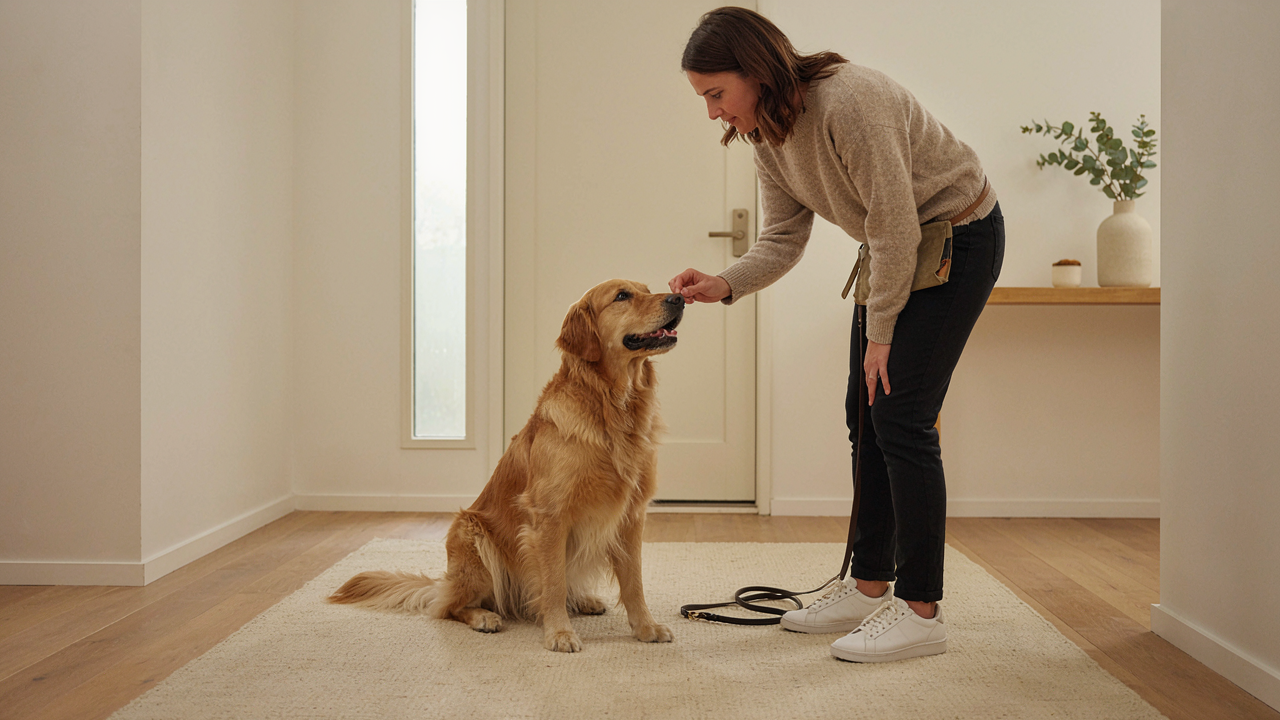
Dog obedience Phoenix programs should teach more than a dog to perform commands in a quiet room. Real obedience means your dog can listen around distractions, walk calmly, settle when asked, and respond appropriately when everyday situations become unpredictable.
For Phoenix dog owners, training can be especially valuable when dogs regularly encounter busy streets, unfamiliar people, other animals, changing environments, and new distractions. Rob’s Dog Training provides structured training focused on clear communication, consistent expectations, practical exercises, and skills owners can continue reinforcing in everyday life.
Why Dog Obedience Phoenix Should Focus on Real Life
A dog may know “sit” at home but ignore the same command when another dog walks nearby. That difference shows why obedience training should extend beyond memorizing commands.
Good obedience creates reliable communication between dogs and their owners. Instead of simply reacting to whatever catches their attention, dogs learn to recognize what their owners are asking and respond appropriately.
Practical obedience can help with:
- Walking politely without constant pulling
- Responding to commands around distractions
- Settling calmly at home or in public
- Coming when called
- Waiting instead of rushing through doors
- Maintaining focus around people and other dogs
- Following household boundaries consistently
The objective is not to make every dog behave identically. Effective training considers the individual dog’s temperament, energy, behavior patterns, age, and learning needs.
What Should Dogs Learn Through Obedience Training?
A strong obedience program usually starts with foundational behaviors and gradually introduces greater distractions and expectations.
Basic Commands and Communication
Commands such as sit, down, stay, come, and heel give owners practical ways to communicate with their dogs. However, the command itself is only part of the process.
Dogs also need to understand when and where a behavior is expected. A reliable “stay” should eventually mean more than remaining in position for a few seconds in an empty room.
Reliable Recall
Recall is one of the most important obedience skills because it can provide owners with greater control when a dog becomes distracted.
Training a reliable recall involves teaching the dog that responding to the owner is worthwhile, then practicing in progressively more challenging environments. Owners should avoid repeatedly calling a dog without reinforcing the response, as inconsistent practice can weaken reliability.
Loose-Leash Walking
Pulling can make ordinary walks frustrating and difficult to manage. Rather than simply correcting the pulling, owners should teach the dog what behavior is expected while gradually practicing around distractions.
Loose-leash walking becomes particularly useful when dogs encounter pedestrians, cyclists, vehicles, other dogs, or interesting smells.
Impulse Control
Obedience is closely connected to a dog’s ability to pause before acting. Impulse control can help dogs wait at doors, remain in place, ignore distractions, and respond to their owners instead of immediately following an impulse.
This is especially important for energetic dogs that become overly excited around visitors, food, toys, or other animals.
How to Make Dog Obedience Training More Effective
Training results depend heavily on what happens between professional sessions. Owners can make progress more consistent by building obedience into everyday routines.
1. Keep Expectations Consistent
Dogs learn faster when household rules are predictable. If jumping is discouraged sometimes but rewarded with attention at other times, the dog receives mixed signals.
Everyone who interacts with the dog should understand the same basic expectations.
2. Practice in Short Sessions
Long training sessions can become mentally tiring for dogs and owners. Short, focused repetitions throughout the day can make obedience easier to incorporate into normal routines.
For example, an owner might practice a brief “stay” before opening the door or ask for a calm sit before putting down a food bowl.
3. Gradually Add Distractions
A dog should not be expected to immediately perform a behavior perfectly in the busiest environment.
Start with manageable distractions and gradually increase difficulty. This could mean moving from a quiet room to a backyard, then a neighborhood walk, and eventually more stimulating public environments.
4. Reward the Behavior You Want
Dogs need clear feedback. When a dog performs the desired behavior, timely reinforcement helps connect the action with the expected outcome.
Rewards do not always have to mean food. Depending on the dog, praise, play, access to something enjoyable, or another appropriate reward may also be useful.
5. Give Owners a Role in Training
Professional instruction is valuable, but owners ultimately need to maintain the dog’s training in everyday life.
A good program should therefore teach owners how to communicate clearly, recognize behavior patterns, practice correctly, and maintain expectations after a session or training program ends.
Choosing the Right Phoenix Dog Training Program
Not every dog needs the same type or amount of training. Before selecting a program, owners should consider what they want to accomplish and how their dog currently behaves.
Ask these questions:
- Does the program evaluate the individual dog?
A dog’s temperament, behavior, energy level, and training history can influence the right approach. - Does training address real-world distractions?
Obedience should eventually carry over to walks, visitors, public spaces, and other everyday situations. - Are owners taught how to maintain progress?
Dogs spend most of their time with their owners, so handler education matters. - Are different training formats available?
Some owners benefit from hands-on instruction, while others may prefer a structured program where their dog receives more intensive training. - Can the program address behavior as well as commands?
Obedience and behavior are often connected. Understanding why a dog struggles with a particular situation can help guide training decisions.
Private Lessons vs. Board and Train
The best format depends on the dog and the owner’s circumstances.
Private lessons can be useful for owners who want to participate directly. One-on-one instruction allows training to be customized around specific goals and gives owners practical skills to continue using between sessions.
Board and Train can provide a more immersive environment. The dog stays with professional trainers and receives structured practice throughout the program, followed by guidance for owners to continue the work at home.
Neither option is automatically right for every dog. The key is choosing a format that matches the dog’s needs, the owner’s schedule, and the desired training outcomes.
When Obedience Problems Need More Attention
Some obedience challenges are straightforward, while others may involve deeper behavior concerns.
For example, a dog that refuses to sit because it is distracted is different from a dog that becomes highly reactive whenever another dog approaches. Similarly, pulling on a leash may stem from excitement, anxiety, environmental stimulation, or simply a learned habit.
Understanding the underlying behavior can prevent owners from relying on a one-size-fits-all approach.
A professional behavioral assessment can help identify patterns and determine what type of training may be appropriate. This can be especially useful when owners have tried basic commands but are still struggling with consistency.
Making Obedience Part of Everyday Life
The most meaningful training results are often visible outside formal sessions.
A dog that waits calmly before going through a doorway, walks without dragging the owner down the sidewalk, settles when guests arrive, or responds when called is demonstrating skills that matter in daily life.
Owners can reinforce these habits by making obedience part of normal routines. Asking for a calm behavior before meals, practicing recall during appropriate activities, or reinforcing polite greetings can help turn training into an ongoing part of the dog’s lifestyle.
Consistency matters more than occasional intensive practice.
Finding the Right Dog Training Support in Phoenix
Dog obedience should ultimately make communication clearer and everyday life easier for both dogs and their owners. The right approach combines foundational commands with real-world practice, behavior awareness, consistency, and owner education.
For Phoenix owners, Rob’s Dog Training offers private lessons and Board & Train programs designed around individual training goals. For those seeking dog obedience Phoenix services, choosing a program that supports practical skills, owner involvement, and consistent training can make a meaningful difference.
Whether the goal is better leash manners, stronger recall, improved impulse control, or more dependable obedience around distractions, the most effective training is the kind that continues to work after the lesson ends.
A well-trained dog is not simply one that knows commands. It is a dog that understands expectations, responds reliably, and can navigate everyday life with greater confidence and control.