Admin
AdminInsurance claims can become complicated quickly, especially when property damage involves unclear coverage, extensive repairs, documentation requirements, or disagreements over the value of a loss. A public insurance adjuster can help property owners understand the claims process, organize supporting documentation, evaluate covered damage, and pursue a fair settlement based on the policy and available evidence.
For homeowners and business owners facing significant property damage, understanding how insurance claims work can make the process less overwhelming. Corey Locke Public Adjuster provides professional guidance to help property owners navigate the claims process, avoid common mistakes, and properly document legitimate damages that could otherwise be overlooked or undervalued.
What Does a Public Insurance Adjuster Do?
A claims professional works on behalf of the policyholder rather than the insurance company. The role involves evaluating property damage, preparing claim documentation, organizing supporting evidence, and communicating with the insurer throughout the claims process.
This distinction matters. Insurance companies have adjusters who represent the insurer’s interests, while a public adjuster represents the property owner’s interests during the claim.
Depending on the situation, assistance may include:
- Reviewing relevant insurance policy provisions
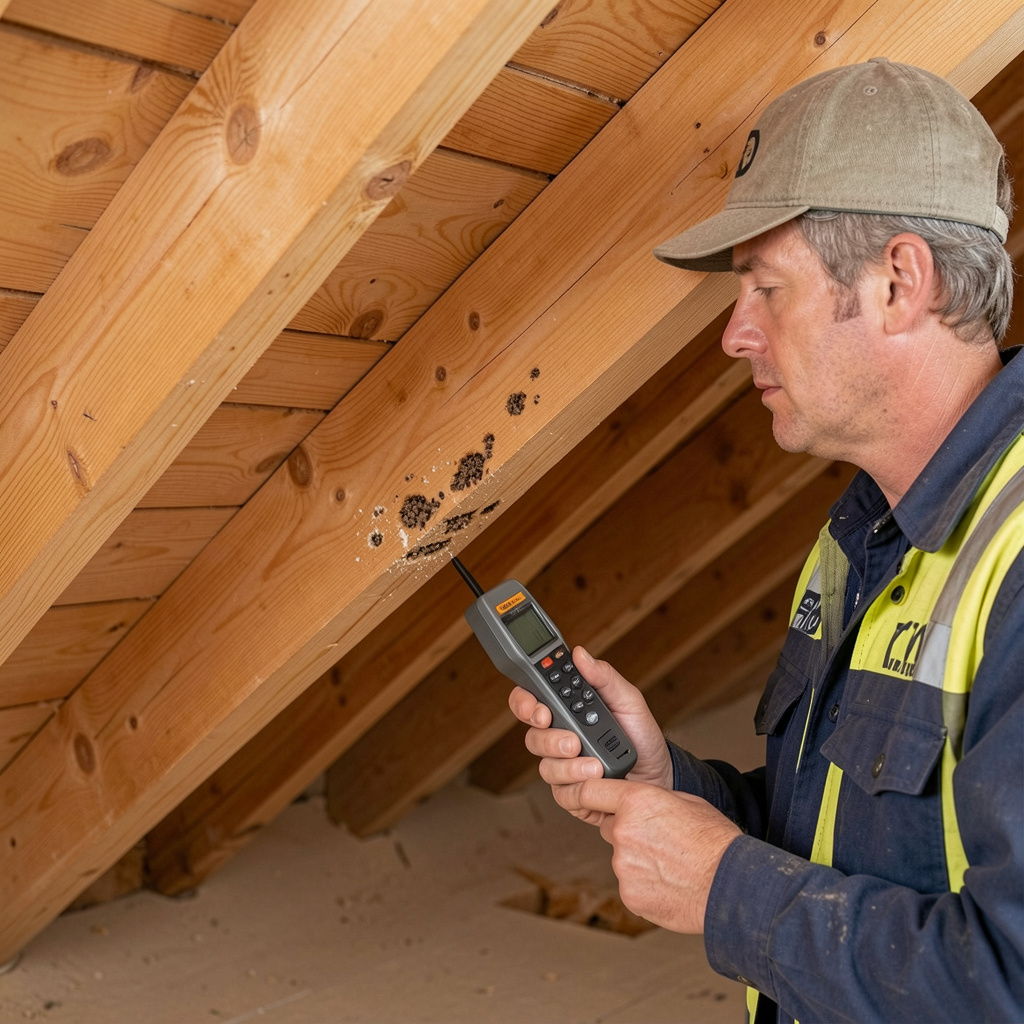
- Inspecting and documenting property damage
- Preparing detailed damage inventories
- Estimating repair or replacement costs
- Organizing photographs, receipts, reports, and other evidence
- Communicating with insurance representatives
- Identifying overlooked or underdocumented damages
- Negotiating claim values when appropriate
A well-supported claim is generally easier to evaluate than one based on incomplete records or vague descriptions of damage.
When Should Property Owners Get Claims Assistance?
Not every insurance claim requires professional assistance. Minor losses with straightforward documentation may be manageable directly with the insurance carrier. More complicated claims, however, can involve technical questions, extensive documentation, and disagreements about scope or value.
A public insurance adjuster may be worth considering when:
- Property damage is extensive
- The claim involves multiple types of damage
- The insurance company disputes the scope of repairs
- The proposed settlement appears inadequate
- Damage was discovered after the initial inspection
- Business operations have been interrupted
- Personal property losses are substantial
- Documentation requirements feel difficult to manage
- Communication with the insurer has become challenging
The earlier potential problems are identified, the easier it may be to develop an organized strategy for addressing them.
How to Strengthen an Insurance Claim
Property owners can take practical steps before and during the claims process. Good documentation creates a clearer record of what happened, what was damaged, and what may be required to restore the property.
1. Document Damage Promptly
Take clear photographs and videos of affected areas before making non-emergency repairs whenever it is safe to do so. Capture both wide views and close-up images so the extent and location of damage are easy to understand.
Keep copies of photographs, videos, repair estimates, invoices, receipts, inspection reports, and correspondence related to the loss.
2. Prevent Further Damage
Most property owners should take reasonable steps to protect the property from additional damage. Temporary measures may include covering exposed areas, addressing active leaks, or arranging emergency services.
However, permanent repairs should generally be approached carefully until the damage has been adequately documented and the insurance carrier has had an appropriate opportunity to inspect the property.
3. Create a Detailed Inventory
Personal property claims can involve more items than initially remembered. Create a room-by-room inventory that records damaged or destroyed belongings, including descriptions, approximate purchase dates, receipts when available, and photographs.
This process can help reveal losses that might otherwise be overlooked.
4. Read the Policy Carefully
Insurance policies contain specific language concerning coverage, exclusions, deductibles, limits, conditions, and claim requirements. Understanding those provisions can help property owners ask more informed questions and recognize when professional guidance may be useful.
Policy interpretation can be complex, particularly when several provisions affect the same loss.
Why Claim Documentation Matters
A successful insurance claim depends on more than simply reporting that damage occurred. The claim needs evidence connecting the reported loss to the property damage and establishing the potential cost of restoration or replacement.
Useful documentation may include:
- Before-and-after photographs
- Contractor estimates
- Repair invoices
- Purchase receipts
- Property inventories
- Maintenance records
- Inspection reports
- Weather or incident documentation
- Correspondence with insurance representatives
Consistent records can also create a timeline of events. This becomes especially valuable when a claim takes weeks or months to resolve.
Common Insurance Claim Mistakes
Property owners can unintentionally weaken a claim through avoidable errors. Some problems begin before the extent of damage has been fully understood.
Common mistakes include:
- Failing to document damage thoroughly
- Discarding damaged property before documenting it
- Making permanent repairs too quickly
- Accepting an initial settlement without reviewing the scope
- Underestimating personal property losses
- Failing to keep copies of claim-related communications
- Missing policy deadlines or documentation requirements
- Assuming every damaged item is automatically covered
Careful organization can reduce these risks and make communication with the insurance company more efficient.
Public Insurance Adjuster vs. Insurance Company Adjuster
Understanding the difference between these professionals can help policyholders make informed decisions.
An insurance company adjuster evaluates the claim for the insurer. A public insurance adjuster works for the policyholder and focuses on presenting the policyholder’s documented loss.
Neither role should be confused with a contractor. Contractors generally focus on repairing or rebuilding the property, while an adjuster focuses on the insurance claim itself. In complex situations, coordination among qualified professionals may help create a more complete picture of the loss.
Key Factors When Selecting Claims Assistance
Selecting an adjuster is an important decision because the professional may become involved throughout a substantial portion of the claims process. Property owners should take time to evaluate qualifications, experience, communication practices, and the scope of services offered.
Consider asking:
- How much experience exists with similar property losses?
- What types of claims are commonly handled?
- How is the claim evaluation performed?
- What documentation will be required?
- How will communication with the insurance company be managed?
- What fees or contractual obligations apply?
- What licensing requirements apply in the property’s jurisdiction?
Clear answers can help establish realistic expectations before entering into an agreement.
Why Professional Claim Guidance Can Matter
Large property losses often involve more than visible damage. Water can affect concealed materials, smoke can create secondary damage, and structural problems may become apparent only after a detailed inspection. Business losses can introduce additional considerations involving interrupted operations and related expenses.
A comprehensive claim evaluation considers the available evidence rather than focusing solely on what is immediately visible. This is one reason professional claim preparation can be valuable when a loss is substantial or complicated.
A More Organized Path Forward
An insurance claim does not have to be approached as a simple exchange of forms and estimates. Working with a public insurance adjuster can provide guidance through a process that depends on thorough documentation, policy knowledge, clear communication, and careful evaluation of the actual loss.
For property owners seeking experienced guidance, Corey Locke Public Adjuster provides support focused on helping policyholders navigate complicated property insurance claims. The right preparation can make a meaningful difference. When property damage occurs, documenting the loss carefully, understanding policy obligations, and seeking qualified guidance when necessary can help property owners approach the insurance claim process with greater clarity and confidence.